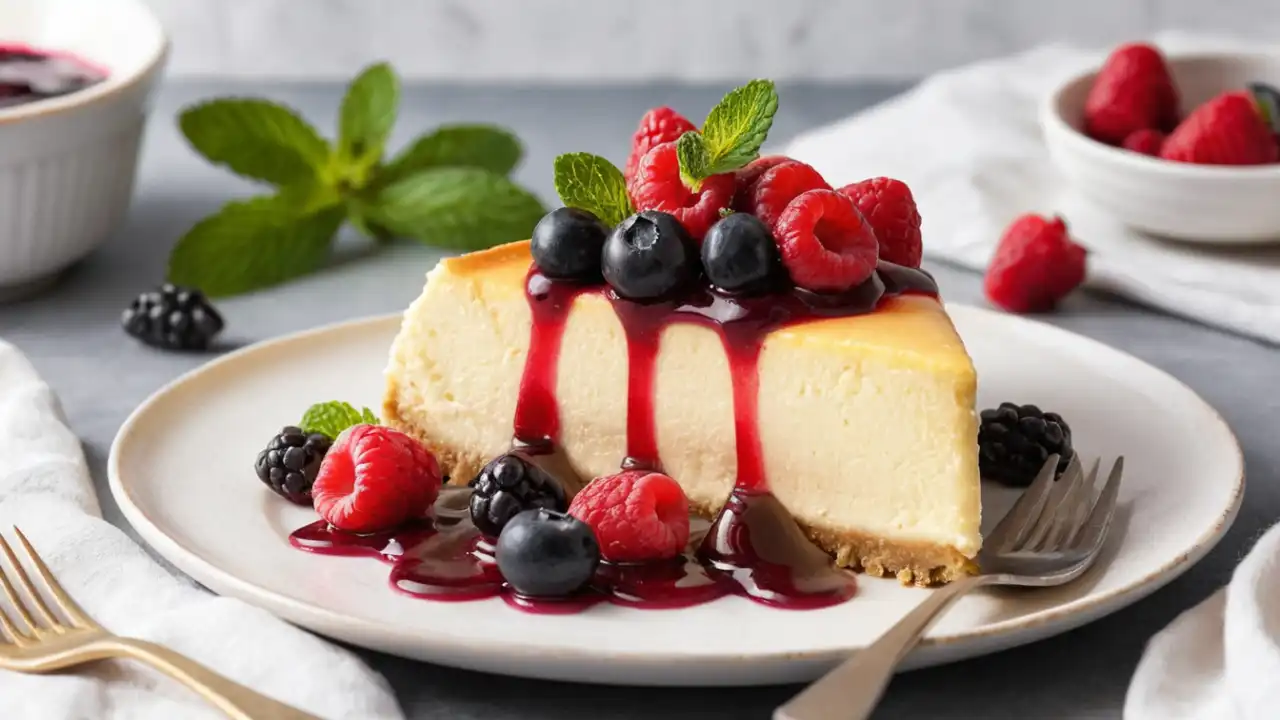
Gluten Free Cheesecake Recipe
For anyone with a sweet tooth, cheesecake is the ultimate dessert rich, creamy, and utterly satisfying. But indulging in a classic cheesecake might seem out of reach if you’re gluten-intolerant or simply avoiding gluten. I know the feeling well; when I first started my gluten-free journey, I thought I’d have to say goodbye to my favorite treats forever.
The good news? You don’t have to compromise. With a few thoughtful tweaks, you can enjoy a Gluten Free Cheesecake that tastes as delicious as the original. Whether you’re making it for a celebration, a family dinner, or just because you deserve it, this dessert proves that gluten-free doesn’t mean giving up the foods you love.
In this article, you’ll discover the answer to a common question, “Is cheesecake gluten free?” and learn how to craft a show-stopping Gluten Free Cheesecake Recipe from square one. We’ll guide you step-by-step, from choosing the best gluten free cheesecake crust to troubleshooting common baking challenges. Plus, we’ll share tips for creating variations, storing leftovers, and even freezing for later enjoyment.
Let’s dive in and make your cheesecake dreams come true without a crumb of gluten!
Table of Contents
What Makes Cheesecake Gluten Free?
Understanding Traditional Cheesecake
In its classic form, Cheesecake seems simple: a creamy filling, a sweet crust, and a few flavor enhancements. But if you’re avoiding gluten, the ingredients often hide surprises. The filling made from cream cheese, eggs, and sugar is naturally gluten-free in most recipes. However, the crust and certain additives can introduce gluten, making it unsuitable for those with gluten sensitivities or celiac disease.
Is Cheesecake Gluten Free? The Short Answer
No, not all cheesecakes are gluten-free. While the filling is usually safe, most crusts use graham crackers, cookies, or flour-based crumbs containing gluten. Additionally, some recipes include thickeners or flavorings that may have hidden gluten.
What Makes a Cheesecake Gluten Free?
To ensure a cheesecake is gluten-free:
- Choose Gluten-Free Crust Alternatives:
- Swap traditional graham crackers for certified gluten-free versions.
- Try crusts made with almond flour, crushed nuts, or gluten-free cookies.
- Opt for crust-free cheesecake for a more straightforward, carb-friendly option.
- Check for Hidden Gluten in the Filling:
- Verify that cream cheese, vanilla extract, and sugar are labeled gluten-free.
- Avoid thickeners like wheat-based starches; use cornstarch or tapioca starch instead.
- Beware of Cross-Contamination:
- Use separate baking tools and surfaces to prevent gluten exposure.
Why Go Gluten Free?
Many people opt for gluten-free desserts because of celiac disease, gluten sensitivity, or dietary preferences. A well-made gluten free cheesecake accommodates these needs and offers the same indulgent texture and flavor, proving that anyone can enjoy this timeless dessert.
By making mindful ingredient swaps and understanding potential pitfalls, you can transform cheesecake into a gluten-free delight perfect for everyone at the table.
Ingredients for the Perfect Gluten Free Cheesecake
Creating a gluten free cheesecake that’s rich, creamy, and flavorful starts with carefully selected ingredients. Whether you’re a seasoned baker or a cheesecake novice, high-quality gluten-free components ensure your dessert is safe and irresistibly delicious. Let’s break down the essentials.
Base Ingredients for the Filling
The filling is the heart of any cheesecake. Here’s what you’ll need:
- Cream Cheese: Use full-fat cream cheese for a creamy texture. Ensure it’s certified gluten-free, as some brands may have cross-contamination risks.
- Granulated Sugar: Provides the sweetness that balances the tanginess of the cream cheese.
- Eggs: The binding agent that gives cheesecake its dense, custard-like texture.
- Vanilla Extract: Adds depth of flavor; opt for pure vanilla extract labeled gluten-free.
- Thickener (Optional): Use cornstarch or tapioca starch for extra stability in the filling if needed.
Gluten Free Cheesecake Crust Options
The crust provides a satisfying crunch and complements the creamy filling. Here are some gluten-free alternatives:
- Gluten-Free Graham Crackers: Crush and mix with melted butter for a classic-style crust.
- Gluten-Free Cookies: Use digestive-style biscuits or shortbread alternatives for unique flavors.
- Almond Flour Crust: Combine almond flour, butter, and some sugar for a nutty, low-carb option.
- Crust-Free Cheesecake: Skip the crust entirely for a simpler, gluten-free variation.
Flavor Boosters and Additions
Take your cheesecake to the next level with these optional ingredients:
- Citrus Zest: Lemon or orange zest for a bright, fresh flavor.
- Sour Cream or Greek Yogurt: Adds a tangy richness to the filling.
- Chocolate Chips or Cocoa Powder: For a chocolate twist.
Table: Example of Ingredients List with Variations
| Ingredient | Gluten-Free Option | Possible Substitutes |
| Cream cheese | Certified gluten-free | Dairy-free cream cheese for vegans |
| Graham crackers | Gluten-free graham crackers | Almond flour or gluten-free cookies |
| Sweetener | Granulated sugar | Honey, maple syrup, or stevia |
| Thickener (optional) | Cornstarch | Tapioca starch or arrowroot powder |
| Vanilla extract | Gluten-free vanilla extract | Almond or lemon extract |
Critical Tips for Ingredient Selection
- Read Labels Carefully: Not all products marketed as gluten-free are genuinely safe, so look for certifications.
- Avoid Cross-Contamination: Keep baking surfaces, utensils, and mixers free of gluten residue.
- Go Fresh: Use fresh eggs, cream cheese, and other ingredients for the best flavor.
With these carefully chosen ingredients, your gluten free cheesecake will be safe for gluten-sensitive eaters and taste so good that everyone will ask for seconds!
Step-by-Step Gluten Free Cheesecake Recipe
Ready to make a creamy, dreamy Gluten Free Cheesecake that’s perfect for any occasion? Follow this step-by-step guide to ensure flawless results every time.
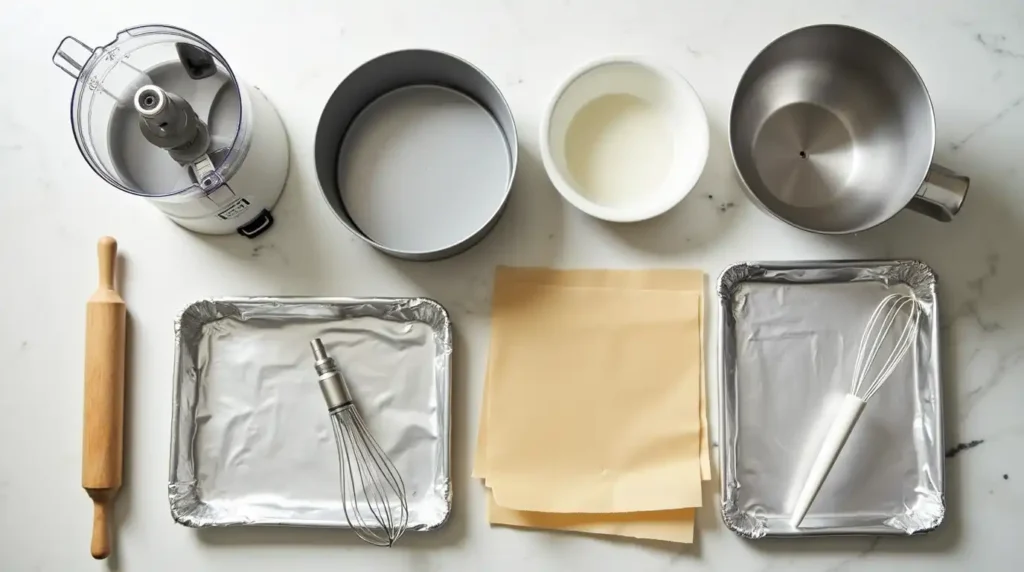
Equipment You’ll Need
- Springform pan (9-inch preferred)
- Food processor or rolling pin (for crust)
- Electric mixer or stand mixer
- Large mixing bowl
- Parchment paper
- Aluminum foil (for water bath)
- Baking tray (for water bath)
Preparation Time and Yield
- Prep Time: 15 minutes
- Cook Time: 60 minutes
- Cooling Time: 4 hours (minimum)
- Yield: 10 servings
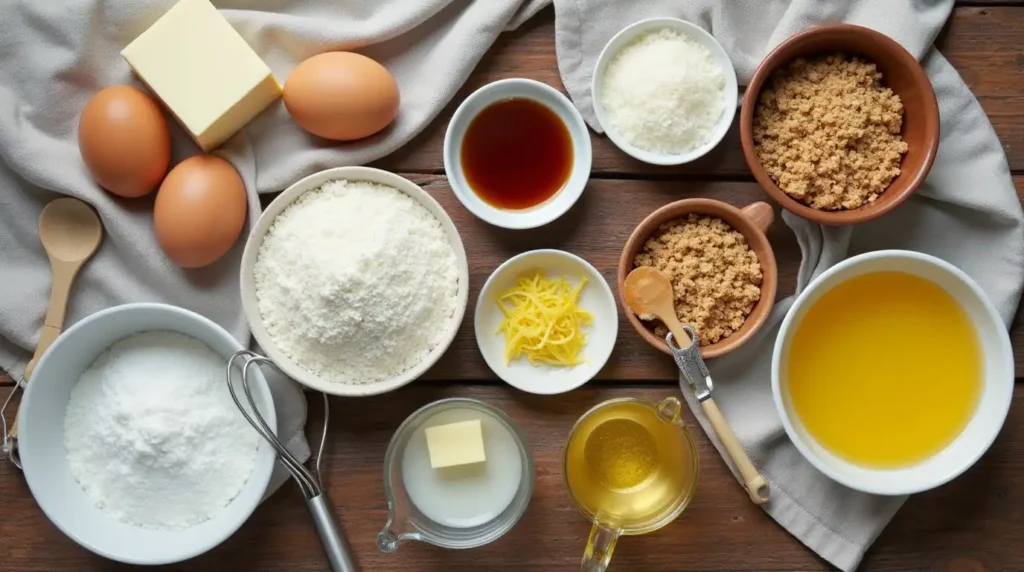
Ingredients
For the Crust
- 1 ½ cups gluten-free graham cracker crumbs (or crushed gluten-free cookies)
- 5 tbsp unsalted butter, melted
- 2 tbsp granulated sugar
For the Filling
- 3 (8 oz) plans cream cheese, softened
- 1 cup granulated sugar
- Three large eggs
- 1 tsp gluten-free vanilla extract
- ½ cup sour cream or Greek yogurt (optional for extra creaminess)
- 1 tbsp cornstarch (optional, for stability)
Step 1: Prepare the Crust
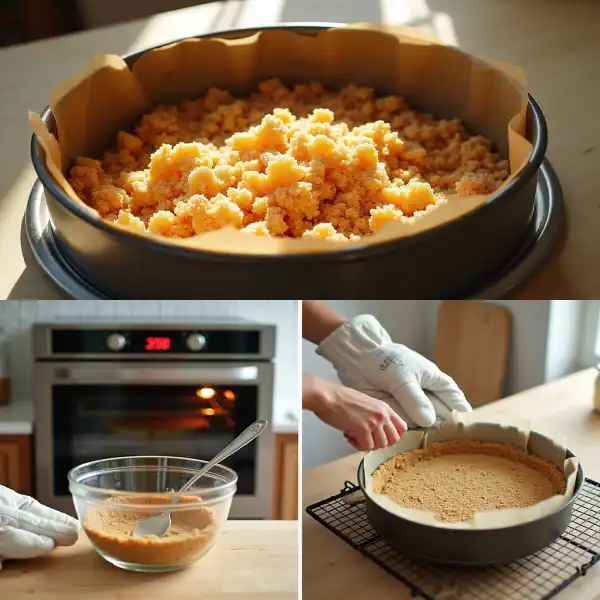
- Preheat the Stove:
- Preheat to 350 ° F( 175°C).
- Make the Crust Mixture:
- In a bowl, combine gluten-free graham cracker crumbs, melted butter, and sugar.
- Mix until the crumbs are evenly coated and the mixture holds together when pressed.
- Form the Crust:
- Line the bottom of a springform pan with parchment paper.
- Press the crumb mixture firmly into the bottom of the pan to form an even layer.
- Bake the Crust:
- Bake for 8–10 minutes.
- Remove and let it cool while you prepare the filling.
Step 2: Prepare the Filling
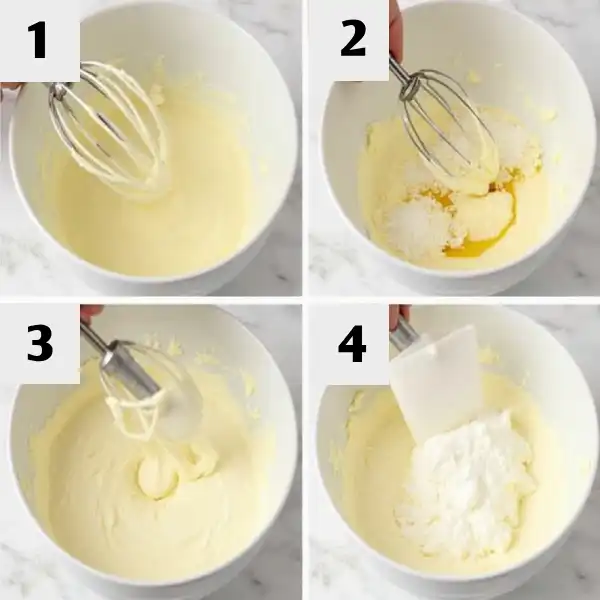
- Beat the Cream Cheese:
- In a large mixing bowl, beat the softened cream cheese on medium speed until smooth and creamy (about 2 minutes).
- Add Sugar and Vanilla:
- Gradually add the granulated sugar and vanilla extract, beating until well incorporated.
- Add Eggs One at a Time:
- Reduce speed to low and add eggs one at a time, mixing until combined. Avoid overmixing to prevent air bubbles.
- Add Sour Cream (Optional):
- Gently mix in sour cream or Greek yogurt for added creaminess. If using cornstarch, sift it in at this stage and fold gently.
Step 3: Assemble and Bake
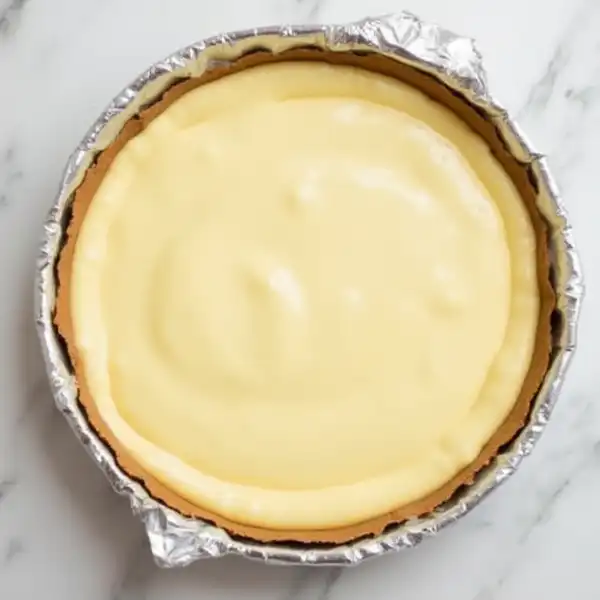
- Pour the Filling:
- Pour the cheesecake filling over the cooled crust, smoothing the top with a spatula.
- Prepare the Water Bath:
- Wrap the outside of the springform pan with aluminum foil to prevent leaks.
- Place the pan in a large baking tray and fill it with hot water until it reaches halfway up the sides of the pan.
- Bake:
- Bake in the preheated oven for 50– 60 mins, or until the sides are established and the facility agitates somewhat when shaken.
Step 4: Cool and Chill
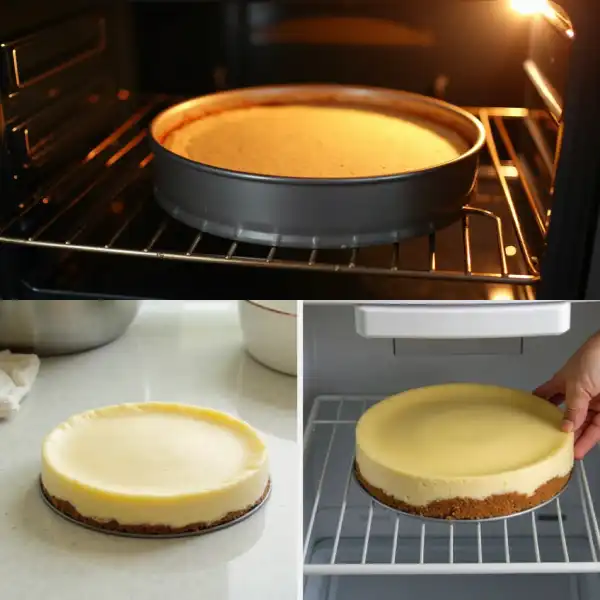
- Turn Off the Oven:
- Turn off the oven and crack the door open slightly. Let the cheesecake cool in the stove for 1 hour to avoid fracturing.
- Refrigerate:
- Remove from the water bath, let it come to room temperature, then refrigerate for at least 4 hours (or overnight) to set fully.
Step 5: Serve and Enjoy
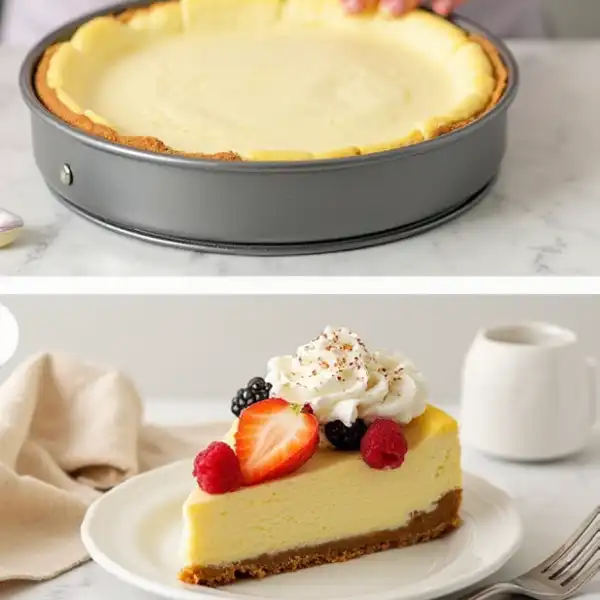
- Gently run a knife around the edge of the cheesecake before releasing the springform pan.
- Cut with a clean knife (wiping between cuts) for neat servings.
- Serve plain or with toppings like fresh fruit, chocolate drizzle, or whipped cream.
Pro Tips for Success
- Use room-temperature active ingredients to ensure a smooth batter.
- Prevent overmixing the batter to prevent air bubbles.
- Please don’t skip the water bath; it helps keep the texture silky and prevents cracking.
This foolproof recipe guarantees a gluten free cheesecake that’s rich, creamy, and perfect for sharing. It’s a dessert everyone will love, whether gluten-free or not!
Recipe Summary
Gluten Free Cheesecake Recipe
Equipment
- Springform pan (9-inch preferred)
- Food processor or rolling pin (for crust)
- Electric mixer or stand mixer
- Large mixing bowl
- Parchment paper
- Aluminumfoil (forwater bath)
- Baking tray (forwater bath)
Ingredients
For the Crust
- 1 ½ cups gluten-free graham cracker crumbs or crushed gluten-free cookies
- 5 tbsp unsalted butter melted
- 2 tbsp granulated sugar
For the Filling
- 3 plans (8 oz) cream cheese, softened
- 1 cup granulated sugar
- 3 large eggs
- 1 tsp gluten-free vanilla extract
- ½ cup sour cream or Greek yogurt optional, for extra creaminess
- 1 tbsp cornstarch optional, for stability
Instructions
Step 1: Prepare the Crust
1- Preheat the Stove: Preheat to 350 ° F( 175°C).
2- Make the Crust Mixture:
- In a bowl, combine gluten-free graham cracker crumbs, melted butter, and sugar.
- Mix until the crumbs are evenly coated and the mixture holds together when pressed.
3- Form the Crust:
- Line the bottom of a springform pan with parchment paper
- Press the crumb mixture firmly into the bottom of the pan to form an even layer.
4- Bake the Crust:
- Bake for 8–10 minutes.
- Remove and let it cool while you prepare the filling.
Step 2: Prepare the Filling
1- Beat the Cream Cheese:
- In a large mixing bowl, beat the softened cream cheese on medium speed until smooth and creamy (about 2 minutes).
2- Add Sugar and Vanilla:
- Gradually add the granulated sugar and vanilla extract, beating until well incorporated.
3- Add Eggs One at a Time:
- Reduce speed to low and add eggs one at a time, mixing just until combined. Avoid overmixing to prevent air bubbles.
4- Add Sour Cream (Optional):
- Gently mix in sour cream or Greek yogurt for added creaminess. If using cornstarch, sift it in at this stage and fold gently.
Step 3: Assemble and Bake
1- Pour the Filling:
- Pour the cheesecake filling over the cooled crust, smoothing the top with a spatula.
2- Prepare the Water Bath:
- Wrap the outside of the springform pan with aluminum foil to prevent leaks.
- Place the pan in a large baking tray and fill the tray with hot water until it reaches halfway up the sides of the pan.
Bake:
- Bake in the preheated oven for 50– 60 mins, or until the sides are established and the facility agitates somewhat when shaken.
Step 4: Cool and Chill
1- Turn Off the Oven:
- Turn off the oven and crack the door open slightly. Let the cheesecake cool in the stove for 1 hour to avoid fracturing.
2- Refrigerate:
- Remove from the water bath, let it come to room temperature, then refrigerate for at least 4 hours (or overnight) to set fully.
Step 5: Serve and Enjoy
- Gently run a knife around the edge of the cheesecake before releasing the springform pan.
- Cut with a clean knife (wiping between cuts) for neat servings.
- Serve plain or with toppings like fresh fruit, chocolate drizzle, or whipped cream.
Variations on Gluten Free Cheesecake
One of the very best things about cheesecake is its convenience! Once you’ve mastered the classic Gluten Free Cheesecake, you can easily customize it to suit any occasion, season, or preference. Here are some irresistible variations to inspire your next baking adventure.
1. Flavor Variations
Lemon Gluten Free Cheesecake
- Add two tablespoons of lemon juice and the zest of 1 lemon to the filling for a bright, tangy flavor.
- Top with lemon curd or candied lemon slices for an elegant finish.
Chocolate Swirl Cheesecake
- Melt ½ cup of gluten-free chocolate chips and swirl it into the filling before baking.
- Top with a rich chocolate ganache or shavings for extra indulgence.
Berry Bliss Cheesecake
- Fold one mug of fresh or frozen berries (blueberries, raspberries, or strawberries) into the batter.
- Add a glossy berry compote or jam as a topping.
Pumpkin Spice Cheesecake
- Replace sour cream with ½ cup of pumpkin puree.
- Mix in 1 tsp cinnamon, ½ tsp nutmeg, and ¼ tsp cloves for cozy fall vibes.
2. Crust Variations
Nut-Based Crust
- Combine 1 ½ cups of almond flour, 3 tbsp melted butter, and 2 tbsp sugar for a nutty, gluten-free alternative to graham crackers.
Oat-Based Crust
- Use certified gluten-free oats pulsed into a fine crumb in a food processor. Mix with butter and sugar for a hearty base.
No-Crust Cheesecake
- For a lighter, crust-free option, skip the crust altogether. Pour the filling directly into the springform pan and bake as usual.
3. Texture Variations
No-Bake Gluten Free Cheesecake
- Skip the oven! Combine the filling ingredients and chill in the refrigerator until firm. For convenience, pair it with a pre-made gluten-free crust.
Mini Cheesecakes
- Use a muffin tin lined with gluten-free cupcake wrappers. Press the crust into the bottom of each cup, fill with batter, and bake for 20–25 minutes. This recipe is perfect for individual servings!
4. Vegan and Dairy-Free Options
For those avoiding both gluten and dairy, you can make a cheesecake everyone can enjoy:
- Dairy-Free Cream Cheese: Use almond- or cashew-based cream cheese.
- Coconut Milk or Yogurt: Replace sour cream with full-fat coconut milk or dairy-free yogurt.
- Sweetener Alternatives: Use maple syrup or agave instead of granulated sugar for a natural sweetness.
5. Topping Ideas
Classic Fruit Toppings
- Fresh strawberries, blueberries, or kiwi slices.
- A drizzle of honey or syrup for included sweet taste.
Rich and Decadent
- Chocolate ganache or caramel drizzle.
- Crushed gluten-free cookies or nuts for a crunch.
Seasonal Favorites
- Spiced apple or pear slices for fall.
- Fresh mint and citrus zest for spring.
6. Cultural Cheesecake Twists
Japanese Cotton Cheesecake (Gluten-Free Version)
- Use gluten-free cornstarch instead of flour for a light, airy cheesecake with a souffle-like texture.
Basque Burnt Cheesecake
- Bake at a high temperature without a crust for a caramelized top and custardy interior.
Pro Tips for Experimenting
- Always keep the filling ratios consistent, as altering them too much can affect baking times and texture.
- Taste-test any additions (like zest or spices) before mixing them into the filling.
- Document your customizations so you can recreate (or tweak) your favorite variations!
With these variations, you can transform a simple gluten free cheesecake into a unique creation that fits your taste and occasion. Whether it’s a decadent chocolate swirl or a fresh berry delight, there’s a cheesecake for everyone to love!
Tips and Tricks for the Perfect Gluten Free Cheesecake
Baking a Gluten Free Cheesecake might seem intimidating, but with the proper techniques, you can consistently achieve a flawless dessert. From preventing cracks to storing leftovers, these expert tips will ensure your cheesecake is as delicious as it looks.
1. Mastering the Texture
Use Room-Temperature Ingredients
- Ensure cream cheese, eggs, and other refrigerated ingredients are at room temperature before mixing. This avoids lumps and guarantees a smooth batter.
Don’t Overmix
- Overmixing the batter introduces air, which can cause cracks during baking. Mix simply up until the components are integrated.
Use a Water Bath (Bain-Marie)
- Cook the cheesecake in a water bath to maintain even warmth and prevent splits. Wrap the outside of your springform pan in aluminum foil to avoid leaks.
2. Baking Like a Pro
Test for Doneness
- The cheesecake is done when the edges are set, and the center jiggles slightly when the pan is gently shaken. It will tighten as it cools.
Avoid Sudden Temperature Changes
- Allow the cheesecake to cool slowly in the oven, with the door slightly ajar for about an hour. Sudden changes can cause the top to crack.
Pre-Bake the Crust
- Pre-baking the crust for 8–10 minutes helps it stay firm and prevents it from becoming soggy under the filling.
3. Flavor Boosting Secrets
Add a Hint of Citrus
- A splash of lemon or orange juice can brighten the flavor of the cheesecake without overpowering it.
Enhance the Crust
- Mix a pinch of cinnamon or nutmeg into the crust for added depth.
4. Presentation Tips
Clean Slices Every Time
- Use a sharp knife dipped in hot water and wipe tidy between cuts for cool slices.
Decorate Creatively
- Add toppings like fruit, whipped cream, or a drizzle of caramel or chocolate for visual appeal.
5. Storing and Freezing
Refrigeration
- Leftovers can be stored in an airtight container in the fridge for up to five days. Cover with cling wrap to prevent the top from drying.
Freezing for Later
- Individual slices should be wrapped tightly in plastic wrap and aluminum foil and frozen for up to 3 months. They should then be thawed overnight in the refrigerator.
Avoid Microwaving
- To enjoy leftovers, bring the cheesecake to room temperature instead of reheating to preserve texture.
6. Troubleshooting Common Problems
Problem: Cracks in the Cheesecake
- Solution: Use a water bath, avoid overbaking, and let it cool gradually.
Problem: Soggy Crust
- Solution: Pre-bake the crust and ensure it’s completely cool before adding the filling.
Problem: Grainy Texture
- Solution: Blend the cream cheese thoroughly before adding other ingredients, and don’t overbake.
7. Gluten-Free Baking Tips
Check Your Ingredients
- Ensure every ingredient, including baking spray and flavorings, is certified gluten-free to avoid cross-contamination.
Be Cautious with Utensils
- Use separate mixing bowls, spatulas, and pans to prevent gluten exposure.
8. Experiment and Customize
Small Test Batches
- Try baking a mini version of your cheesecake to test new flavors or techniques before making a full-sized one.
Combine Variations
- Mix and match flavors (like chocolate swirl with a nut-based crust) to create unique combinations.
With these tips and tricks, you’ll bake a Gluten Free Cheesecake that’s visually stunning and bursting with flavor and perfect texture. Whether it’s your first time or your hundredth, these strategies will help you achieve professional-level results!
Frequently Asked Questions (FAQ) about Gluten Free Cheesecake
1. Is Cheesecake Gluten Free?
Not all cheesecakes are gluten-free. While the filling is typically gluten-free, the crust often contains gluten from graham crackers or cookies. Some recipes may include thickeners, flavorings, or toppings with hidden gluten. However, you can make a safe and delicious gluten free cheesecake using gluten-free ingredients and avoiding cross-contamination.
2. What Can I Use for a Gluten Free Cheesecake Crust?
There are several great gluten-free options for the crust:
Gluten-Free Graham Crackers: Available in most grocery stores.
Crushed Gluten-Free Cookies: Use shortbread or digestive-style gluten-free cookies.
Nut-Based Crust: Combine almond flour, crushed nuts, and butter for a nutty, low-carb option.
Oat Crust: Use certified gluten-free oats pulsed into crumbs.
Crust-Free Option: Skip the crust entirely for a lighter cheesecake.
3. Can I Freeze Gluten Free Cheesecake?
Yes! Gluten Free Cheesecake freezes beautifully:
Wrap individual pieces snugly in plastic wrap and, after that, aluminum foil.
Shop in an impermeable container to prevent fridge freezer shed.
Cheesecake can be iced for as much as 3 months. Thaw pieces in the refrigerator overnight before serving.
4. Exactly how Do I Avoid My Cheesecake from Splitting?
Use a Water Bath: The steam creates an even baking environment.
Avoid Overbaking: The center should jiggle slightly when done.
Cool Gradually: Turn off the oven and crack the door to allow slow cooling.
5. How Long Should I Chill Cheesecake Before Serving?
For the best texture, refrigerate the cheesecake for at least 4 hours after baking. Overnight chilling is ideal to set the filling and enhance the flavor fully.
6. Can I Make a Vegan Gluten Free Cheesecake?
Yes! Here’s how:
Replace cream cheese with dairy-free alternatives like almond-based or cashew-based cream cheese.
Use coconut cream or non-dairy yogurt instead of sour cream.
Substitute eggs with a flaxseed meal (1 tbsp flaxseed + 3 tbsp water = 1 egg) or a store-bought egg replacer.
7. What Toppings Work Best on Gluten Free Cheesecake?
There are plenty of gluten-free toppings to enhance your cheesecake:
Fresh fruit (berries, sliced kiwi, or citrus)
Chocolate ganache or caramel drizzle
Whipped cream (ensure it’s gluten-free)
Gluten-free cookie crumbles or crushed nuts
8. Can I Make Gluten Free Cheesecake Without a Springform Pan?
Yes, but there are some considerations:
Use a standard pie dish or cake pan lined with parchment paper for easy removal.
Adjust the baking time slightly since the depth may differ.
9. Why Does My Cheesecake Have a Grainy Texture?
Graininess usually occurs if the cream cheese isn’t fully blended or if the batter is overmixed. To prevent this:
Use room-temperature cream cheese and beat until smooth before adding other ingredients.
Mix at a low rate to avoid integrating too much air.
10. How Can I Ensure My Cheesecake Is 100% Gluten Free?
Always double-check labels for hidden gluten (even in vanilla extract).
Purchase certified gluten-free ingredients.
Avoid cross-contamination by using separate utensils, pans, and surfaces when preparing your cheesecake.
Have More Questions?
Leave a comment or reach out with any specific concerns about making or customizing your Gluten Free Cheesecake. Happy baking!
Conclusion
Making a Gluten Free Cheesecake is more than just a solution for those avoiding gluten; it’s an opportunity to create an indulgent, customizable, and universally loved dessert. With the right ingredients, techniques, and a bit of patience, you can achieve a cheesecake that’s creamy, flavorful, and indistinguishable from its traditional counterpart.
Whether you stick to the classic recipe or experiment with exciting variations like chocolate swirls, lemon zest, or nut-based crusts, the result is bound to impress. Plus, with storage and freezing tips, you can prepare ahead for any occasion or save leftovers for a future treat.
The beauty of cheesecake is its versatility and simplicity. Gluten-free doesn’t mean flavor-free, and your baking adventures can cater to everyone at the table. So gather your ingredients, preheat your oven, and bring your cheesecake dreams to life. Once you’ve tried this Gluten Free Cheesecake Recipe, it will become a favorite!
Now, it’s your turn to share your favorite cheesecake flavor. Let us know in the comments, and don’t forget to check out our other gluten-free recipes for more inspiration. Happy baking!