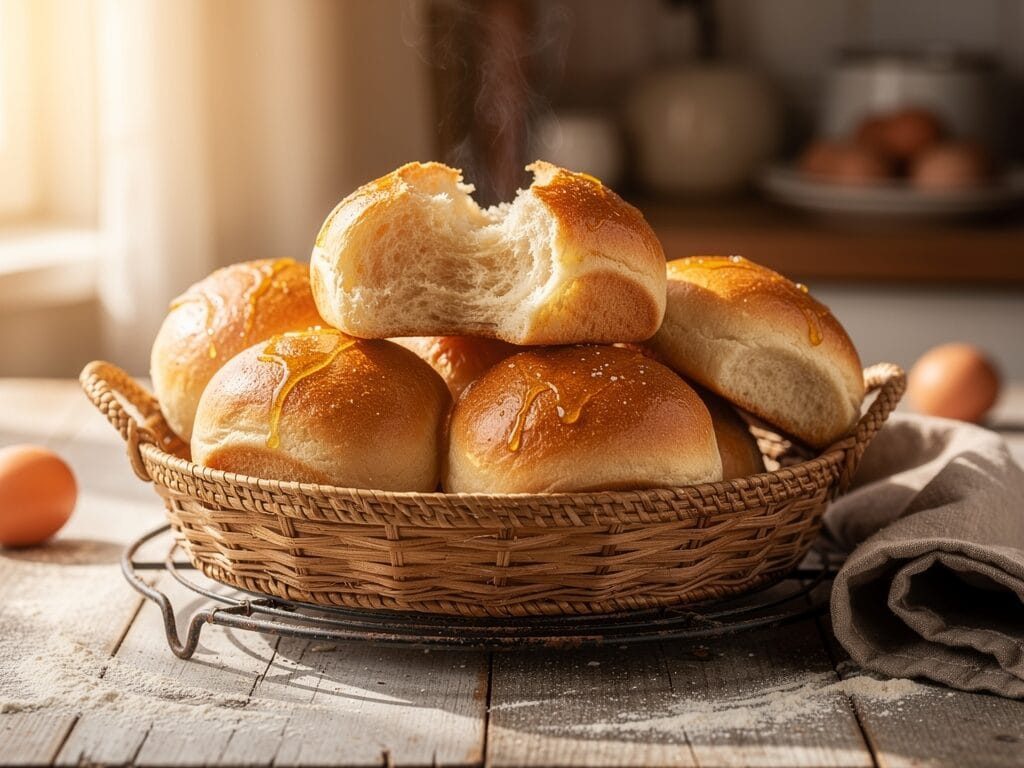
Easy Gluten-Free Dinner Rolls – Fluffy
Tired of gluten-free dinner rolls that resemble flavorless, dense hockey pucks? If you’ve ever dreamt of sinking your teeth into a truly soft, pillowy, and utterly delicious bun that happens to be gluten-free, your search ends here. As a culinary scientist and an expert in all things gluten-free, I’ve spent years perfecting the art of GF baking, and today I’m sharing my foolproof, easy, fluffy gluten-free dinner rolls recipe.
This recipe isn’t just a substitute; it’s a revelation, delivering incredible texture and flavor that stands shoulder-to-shoulder with any traditional roll. And the best part? From start to finish, you can have these warm, golden delights on your table in under 90 minutes, making them perfect for any meal.
Quick note on flavor profile: This recipe is specifically designed to be a classic, savory dinner roll with a neutral ‘real bread’ flavor, making it the perfect vessel for sandwiches or sopping up rich gravy. If you are actually craving that signature sweet, slightly tangy taste reminiscent of ‘King’s Hawaiian‘ style bread (often made with pineapple juice or honey), you’ll want to head over to my Gluten-Free Hawaiian Rolls recipe instead. But if you want a versatile, fluffy table bread that pairs with everything from soups to roasts, you are in exactly the right place.
Table of Contents
Why This Recipe Works
Crafting genuinely fluffy gluten-free bread can feel like a culinary quest, often ending in disappointment. But our easy, fluffy gluten-free dinner rolls recipe is different. It’s engineered for success, addressing the common pitfalls of GF baking head-on. Here’s how it stacks up:
| Feature | Typical Store-Bought GF Buns | This Recipe (Glutenoo’s Fluffy Rolls) |
|---|---|---|
| Texture | Dry, crumbly, often dense | Soft, airy, wonderfully chewy interior |
| Taste | Bland, starchy, sometimes artificial aftertaste | Rich, subtly sweet, deeply satisfying “real bread” flavor |
| Structure | Brittle, falls apart easily | Holds together beautifully, perfect for sandwiches or sopping up gravy |
The journey to master the easy, fluffy gluten-free dinner rolls recipe requires an understanding of what makes gluten-free dough behave differently. Our scientific approach ensures success:
- The Power of Psyllium Husk: This isn’t just an ingredient; it’s the structural backbone of our rolls. Psyllium husk acts as a miraculous binder, mimicking gluten’s elasticity and ability to hold gas, which is vital for a light, airy crumb. Without it, gluten-free bread can be dense and heavy.
- Precision Gluten-Free Flour Blend: We utilize a carefully balanced gluten-free all-purpose flour blend (one containing xanthan gum is ideal) that provides a robust structure without a gummy texture.
- The Double-Action Rise: Allowing the dough to rise twice is non-negotiable for superior texture and flavor development. This process ensures maximum air incorporation and allows the yeast to fully work its magic, resulting in a significantly lighter roll.
- Optimal Hydration: Gluten-free dough often requires more liquid than traditional dough. Our recipe is calibrated for perfect hydration, yielding a sticky dough that transforms into a moist, tender roll once baked.
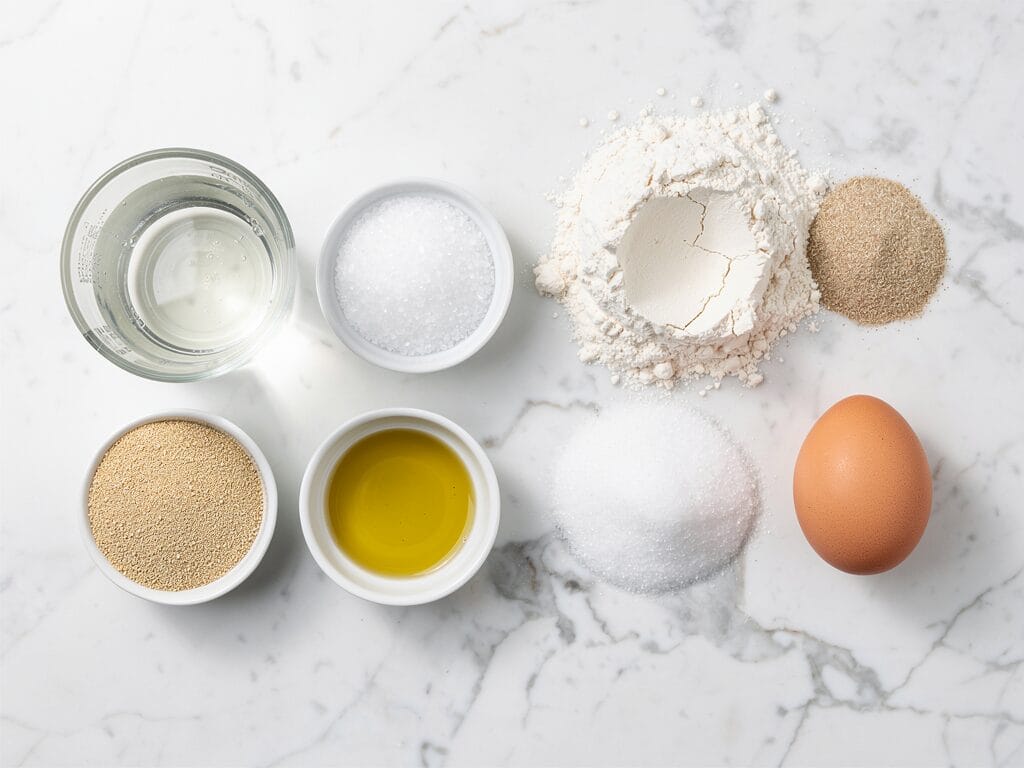
Ingredients & Quantities
Achieving truly light and airy gluten-free dinner rolls starts with the right ingredients and precise measurements. Remember, in gluten-free baking, a kitchen scale is your best friend!
| Quantity | Ingredient | Notes/Substitutions |
|---|---|---|
| 1 ¼ cups (300ml) | Warm Water | Between 105-115°F (40-46°C). Too hot will kill the yeast, too cold won’t activate it. |
| 2 ¼ teaspoons (7g) | Active Dry Yeast | Adds structure, richness, and aids in browning. The room temperature is best. |
| 2 tablespoons (25g) | Granulated Sugar | Feeds the yeast and adds tenderness. |
| 2 cups (280g) | Gluten-Free All-Purpose Flour Blend | Must contain xanthan gum. If not, add ½ teaspoon. My favorite blends often contain rice flour, tapioca starch, and potato starch. |
| 2 tablespoons (14g) | Psyllium Husk Powder | Crucial for texture; do not substitute. Use fine powder, not whole husks. |
| 1 teaspoon (6g) | Salt | Enhances flavor and regulates yeast activity. |
| 2 tablespoons (28g) | Olive Oil or Melted Butter | Adds richness and moisture. For dairy-free, use olive oil. |
| 1 large | Egg | Adds structure, richness, and aids in browning. Room temperature is best. |
| Optional | Egg Wash (1 egg + 1 tsp water) or Melted Butter | For a golden, shiny crust post-bake. |
Kitchen Equipment & Tools
Successful gluten-free baking often relies on specific tools that aid in handling the unique texture of GF doughs. Gather these essentials before you begin:
- Digital Kitchen Scale: This is non-negotiable for gluten-free baking. Cup measurements can vary by as much as 20%, which can completely ruin the delicate balance of gluten-free dough, leading to dense or crumbly results.
- Stand Mixer with Paddle Attachment: Gluten-free dough is notoriously sticky and unmanageable by hand. A stand mixer provides the necessary power and consistent mixing to properly hydrate the ingredients and develop the dough’s structure without overworking it.
- Light-Colored Metal Baking Pan (9×13 inch): Dark-colored pans absorb too much heat and can lead to over-browning or even burning the bottom of your gluten-free rolls before the interior is fully cooked. Light metal ensures even heat distribution.
- Instant-Read Thermometer: Essential for checking the temperature of your water for yeast activation and for ensuring your rolls are perfectly cooked through (internal temperature of 205-210°F).
- Large Mixing Bowl: A spacious bowl allows for thorough mixing without spills and provides ample room for the dough to rise effectively.
How to make easy fluffy gluten-free dinner rolls recipe
Let’s dive into creating these irresistible rolls. Follow these steps meticulously, and you’ll be rewarded with a batch of perfectly soft, golden-brown gluten-free goodness.
Step 1: Activate the Yeast
- In the bowl of your stand mixer, combine the warm water (105-115°F / 40-46°C) and granulated sugar.
- Sprinkle the active dry yeast over the water. Do not stir.
- Let it sit for 5-10 minutes, until it becomes foamy. If it doesn’t foam, your yeast is likely dead, and you’ll need to start again with fresh yeast.
Step 2: Combine Dry Ingredients
- In a separate large bowl, whisk together the gluten-free all-purpose flour blend, psyllium husk powder, and salt. Ensure they are thoroughly combined.
Step 3: Mix the Dough
- Once the yeast is foamy, add the olive oil (or melted butter) and the egg to the stand mixer bowl. Mix briefly on low speed with the paddle attachment until just combined.
- Gradually add the dry ingredient mixture to the wet ingredients in the stand mixer bowl.
- Mix on low speed until all the flour is incorporated, then increase speed to medium and beat for 3-4 minutes. Scrape down the sides of the bowl as needed.
Step 4: First Rise
- Lightly grease a clean large bowl with a little olive oil. Transfer the sticky dough to this bowl.
- Cover the bowl tightly with plastic wrap or a damp kitchen towel.
- Place the bowl in a warm, draft-free spot (like a slightly warmed oven that has been turned off, or near a sunny window). Let rise for 45-60 minutes, or until the dough has nearly doubled in size. This rise is crucial for the final texture of your easy, fluffy gluten-free dinner rolls recipe.
Step 5: Shape the Rolls
- Punch down the risen dough gently to release excess air.
- Lightly grease a 9×13-inch (or similar size) baking pan.
- Divide the dough into 12 equal portions. A good way to do this is to transfer the dough to a lightly oiled surface, gently shape it into a log, and then cut it into 12 pieces.
- With lightly oiled hands, gently shape each portion into a smooth ball. Avoid overhandling.
- Arrange the shaped rolls in the prepared baking pan, leaving a little space between them for expansion.
Step 6: Second Rise
- Cover the pan loosely with plastic wrap or a clean kitchen towel.
- Return the pan to your warm, draft-free spot for a second rise, about 20-30 minutes, or until the rolls look visibly puffy.
- Preheat your oven to 375°F (190°C) during the last 10 minutes of the second rise.
Step 7: Bake to Golden Perfection
- If using, whisk together the egg wash (1 egg + 1 tsp water) or have melted butter ready. Gently brush the tops of the rolls with the egg wash or melted butter for a golden crust.
- Bake in the preheated oven for 20-25 minutes, or until the rolls are golden brown on top and register an internal temperature of 205-210°F (96-99°C) with an instant-read thermometer.
- Remove from oven and brush immediately with a little more melted butter (optional, but highly recommended for extra flavor and shine).
- Let the rolls cool in the pan for 5-10 minutes before transferring them to a wire rack to cool slightly before serving.
Expert Tips for Success
Achieving truly perfect gluten-free dinner rolls isn’t just about following steps; it’s about understanding the nuances of gluten-free dough. Mastering this easy, fluffy gluten-free dinner rolls recipe hinges on precision and a few key insights:
- Weigh Your Ingredients: This cannot be stressed enough for gluten-free baking. Using a digital kitchen scale (in grams) for flour, psyllium husk, and even water ensures consistent results every single time. Volume measurements can lead to significant variations.
- Mind the Temperature: Yeast is highly sensitive to temperature. Ensure your water is between 105-115°F (40-46°C). Use an instant-read thermometer for accuracy. Also, a warm, draft-free environment for rising is critical for proper dough expansion.
- Don’t Over-Rise: While rising is essential, over-proofing gluten-free dough can lead to a collapsed or crumbly texture. Watch for the dough to approximately double in size, but don’t let it go much beyond that.
- Internal Temperature is Key: The visual cues of “golden brown” can be deceiving. The only way to guarantee your rolls are fully cooked through is by checking their internal temperature. Aim for 205-210°F (96-99°C) for a perfectly baked, moist interior.
- Moisture is Your Friend: Gluten-free dough needs more hydration than its traditional counterpart. Don’t be alarmed by the sticky texture. Adding extra flour will only result in dry, dense rolls.
Variations & Add-ins
While the basic, easy, fluffy gluten-free dinner rolls recipe is a triumph on its own, don’t hesitate to get creative and personalize your batch:
- Dairy-Free Delight: Easily make these rolls dairy-free by substituting melted coconut oil or a neutral-flavored vegetable oil (like avocado oil) for the butter. Ensure your gluten-free flour blend doesn’t contain any dairy components.
- Herb & Garlic Infusion: Add 1-2 teaspoons of dried Italian herbs (like oregano, basil, and rosemary) and 1 teaspoon of garlic powder to your dry ingredients for a savory twist. Brush with garlic-infused olive oil after baking.
- Sesame & Poppy Seed Topper: For a classic bakery look and an extra layer of flavor, sprinkle a mix of sesame seeds and poppy seeds over the rolls after brushing them with egg wash, just before baking.
- Sweet Dinner Rolls: Increase the sugar by 1-2 tablespoons and add ½ teaspoon of cinnamon to the dry ingredients for a subtly sweet roll perfect for breakfast or with ham.
Serving Suggestions
These easy, fluffy gluten-free dinner rolls are incredibly versatile and deserve a place at every table. Serve them warm with a pat of butter alongside your favorite hearty stews, a comforting bowl of Deer Camp Venison Chili, or as the perfect accompaniment to a holiday feast. They’re also fantastic for soaking up gravy, making mini-sandwiches, or simply enjoying on their own as a satisfying snack. Imagine them as the perfect side to your Gluten Free Meatloaf or dipped into a rich Gluten Free French Onion Soup.
Storing, Freezing, and Reheating
These rolls are best enjoyed fresh, but they store remarkably well:
- Storing: Leftover rolls can be stored in an airtight container at room temperature for up to 3 days. For longer freshness, refrigerate for up to 5 days.
- Freezing: To freeze, allow rolls to cool completely. For best results, slice them in half first. Place them in a single layer on a baking sheet and freeze until solid (about 1-2 hours). Transfer the frozen rolls to a freezer-safe bag or container, removing as much air as possible. They will keep for up to 3 months.
- Reheating: For best results, reheat frozen rolls directly in a preheated oven at 350°F (175°C) for 10-15 minutes, or until warmed through and soft. You can also microwave them for 20-30 seconds, but be careful not to overcook, as this can make them tough.
Estimated Nutrition
Here’s a breakdown of the approximate nutritional content per serving (one roll), based on the ingredients listed. Please note that these are estimates and can vary based on specific brands and ingredient variations.
| Nutrient | Amount per serving |
|---|---|
| Calories | 170 kcal |
| Carbohydrates | 30g |
| Protein | 4g |
| Fat | 6g |
| Fiber | 1g |
| Sugar | 2g |
Nutritional values are estimates based on standard ingredients and may vary.
Troubleshooting Guide: Common Problems & How to Fix Them
Even expert bakers encounter hiccups. Here’s how to navigate common issues you might face when making this easy, fluffy gluten-free dinner rolls recipe:
| Problem | Possible Cause | The Fix |
|---|---|---|
| Rolls are dense and heavy | Not enough rise time, yeast was inactive, too much flour added, too little psyllium husk. | Over-proofing, removed from the oven too early. |
| Rolls are crumbly or fall apart easily | Not enough hydration (too dry), insufficient psyllium husk, under-baked. | Follow liquid measurements precisely; the dough should be very sticky. Use the exact amount of psyllium husk. Bake until internal temp reaches 205-210°F (96-99°C). |
| Rolls collapsed after baking | Bake until internal temp is 205-210°F (96-99°C). Ensure your GF flour blend contains xanthan gum (or add it) and is a good-quality, balanced blend. | Watch dough carefully during the second rise; it should double, but not beyond. Always check for the proper internal temperature before removing from the oven. |
| Gummy texture inside | Under-baked, wrong GF flour blend. | The rolls collapsed after baking |
Frequently Asked Questions (FAQ)
Q: Can I substitute the psyllium husk powder with something else?
A: No, for this specific recipe, psyllium husk powder is absolutely crucial and cannot be substituted. It provides the essential structure and elasticity that gluten-free dough typically lacks. Other binders like flax meal or chia seeds will yield a very different, often denser, result.
Q: My dough is really sticky. Is that normal?
A: Yes, absolutely! Gluten-free dough, especially one designed for fluffy results, will be much stickier and wetter than traditional wheat dough. Do not add more flour; this stickiness is a sign of proper hydration, which is key to a moist, tender roll.
Q: Can I use a different gluten-free flour blend?
A: You can, but results may vary significantly. Different GF blends have different absorption rates and starch compositions. For best results, use a high-quality all-purpose gluten-free flour blend that already contains xanthan gum. If your blend does not, add ½ teaspoon of xanthan gum to the dry ingredients.
Q: How can I tell if my yeast is active?
A: When you combine it with warm water and sugar, active yeast should become visibly foamy and bubbly within 5-10 minutes. If it doesn’t foam, your yeast is likely expired or “dead,” and you’ll need to discard it and start over with fresh yeast to ensure your rolls rise properly.
Q: Can I make these rolls dairy-free?
A: Yes! Simply replace the melted butter with an equal amount of olive oil, avocado oil, or melted dairy-free butter alternative. Ensure your GF flour blend and any other ingredients are also dairy-free.
You May Also Like
- Gluten-free hawaiian rolls: 10 easy steps to perfection
- Gluten Free Artisan Bread Recipe: 6 Ways to Master Baking Bliss
- Gluten-Free Pita Bread Recipe: Unlock 10 Tips for Perfect Texture

Easy Fluffy Gluten-Free Dinner Rolls
Equipment
- Digital Kitchen Scale
- Stand Mixer with Paddle Attachment
- Light-Colored Metal Baking Pan (9×13 inch)
- Instant Read Thermometer
- Large mixing bowl
Ingredients
For the Rolls
- 1 ¼ cups Warm Water 300ml, between 105-115°F (40-46°C). Too hot will kill the yeast, too cold won’t activate it.
- 2 ¼ teaspoons Active Dry Yeast 7g, One standard packet. Ensure it’s fresh for best rise.
- 2 tablespoons Granulated Sugar 25g, Feeds the yeast and adds tenderness.
- 2 cups Gluten-Free All-Purpose Flour Blend 280g, Must contain xanthan gum. If not, add ½ teaspoon. My favorite blends often contain rice flour, tapioca starch, and potato starch.
- 2 tablespoons Psyllium Husk Powder 14g, Crucial for texture; do not substitute. Use fine powder, not whole husks.
- 1 teaspoon Salt 6g, Enhances flavor and regulates yeast activity.
- 2 tablespoons Olive Oil or Melted Butter 28g, Adds richness and moisture. For dairy-free, use olive oil.
- 1 large Egg Adds structure, richness, and aids in browning. Room temperature is best.
Optional Topping
- Optional Egg Wash (1 egg + 1 tsp water) or Melted Butter For a golden, shiny crust post-bake.
Instructions
Step 1: Activate the Yeast
- In the bowl of your stand mixer, combine the warm water (105-115°F / 40-46°C) and granulated sugar.
- Sprinkle the active dry yeast over the water. Do not stir.
- Let sit for 5-10 minutes, until foamy. If it doesn’t foam, your yeast is likely dead, and you’ll need to start again with fresh yeast.
Step 2: Combine Dry Ingredients
- In a separate large bowl, whisk together the gluten-free all-purpose flour blend, psyllium husk powder, and salt. Ensure they are thoroughly combined.
Step 3: Mix the Dough
- Once the yeast is foamy, add the olive oil (or melted butter) and the egg to the stand mixer bowl. Mix briefly on low speed with the paddle attachment until just combined.
- Gradually add the dry ingredient mixture to the wet ingredients in the stand mixer bowl.
- Mix on low speed until all the flour is incorporated, then increase speed to medium and beat for 3-4 minutes. Scrape down the sides of the bowl as needed. Chef’s Note: The dough will be very sticky, soft, and look more like a thick batter than traditional bread dough. This is exactly what you want! Do not be tempted to add more flour, as this will result in dry, dense rolls. Trust the process.
Step 4: First Rise
- Lightly grease a clean large bowl with a little olive oil. Transfer the sticky dough to this bowl.
- Cover the bowl tightly with plastic wrap or a damp kitchen towel.
- Place the bowl in a warm, draft-free spot (like a slightly warmed oven that has been turned off, or near a sunny window). Let rise for 45-60 minutes, or until the dough has nearly doubled in size. This rise is crucial for the final texture of your easy fluffy gluten free dinner rolls recipe.
Step 5: Shape the Rolls
- Punch down the risen dough gently to release excess air.
- Lightly grease a 9×13 inch (or similar size) baking pan.
- Divide the dough into 12 equal portions. A good way to do this is to transfer the dough to a lightly oiled surface, gently shape it into a log, and then cut it into 12 pieces.
- With lightly oiled hands, gently shape each portion into a smooth ball. Avoid overhandling.
- Arrange the shaped rolls in the prepared baking pan, leaving a little space between them for expansion.
Step 6: Second Rise
- Cover the pan loosely with plastic wrap or a clean kitchen towel.
- Return the pan to your warm, draft-free spot for a second rise, about 20-30 minutes, or until the rolls look visibly puffy.
- Preheat your oven to 375°F (190°C) during the last 10 minutes of the second rise.
Step 7: Bake to Golden Perfection
- If using, whisk together the egg wash (1 egg + 1 tsp water) or have melted butter ready. Gently brush the tops of the rolls with the egg wash or melted butter for a golden crust.
- Bake in the preheated oven for 20-25 minutes, or until the rolls are golden brown on top and register an internal temperature of 205-210°F (96-99°C) with an instant-read thermometer.
- Remove from oven and brush immediately with a little more melted butter (optional, but highly recommended for extra flavor and shine).
- Let the rolls cool in the pan for 5-10 minutes before transferring them to a wire rack to cool slightly before serving.